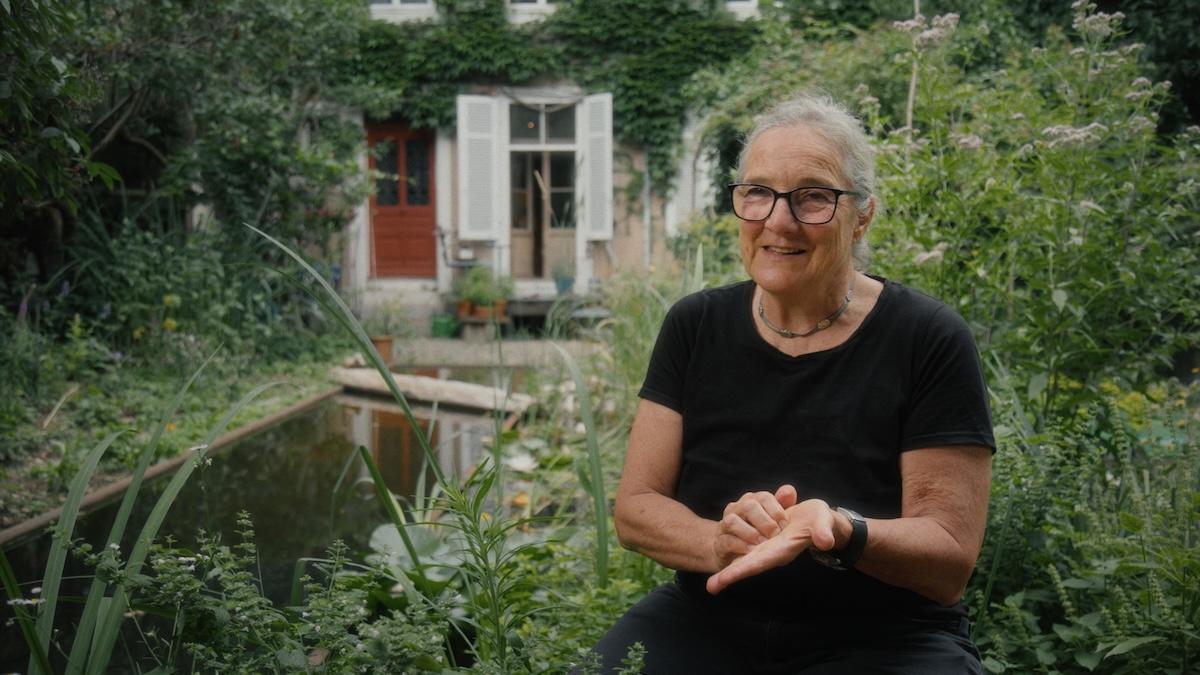
Yesterday, the documentary Barbara Buser: Pionierin der Nachhaltigkeit ("Pioneer in Sustainability") introduced me to an architect in Basel, renowned for her approach of saving buildings and reusing1 materials from sites that are to be demolished. Her message: We can avoid unnecessarily damaging the environment and inflating the rental cost when we don't (re)build from scratch.
Though what we build differs—software versus buildings—there's much we could agree with and learn from her: Refactor instead of rewrite code, even when AI can nowadays shorten the time to rewrite. I wish that more critically ask:
- Aren't we rewriting code in another framework because it is shiny and will bring us fame, money, and talent?
- What are the hidden costs2? How much are we downplaying them?
- Will the rewrite fix what caused the mess in the first place (often humans)?
- How would development look if we place sustainable coding practices at the forefront? Why can't we practice them now?
Barbara is also a force of life. She didn't let gender, age, and social norms dictate what she wanted to learn and achieve. Barbara founded 4 companies to share her ideas (baubüro in situ, Denkstatt, Zirkular, and unterdessen), and knew to let them go so that she can retire and pursue new things.
Most importantly, Barbara comes off as genuine and has brought people together through big projects like Gundeldinger Feld and Markthalle in Basel, plus smaller ones like wells in South Sudan and a home for a large family of farmers in another canton. Learning the local language was always important to her.
At a time of uncertainties, when one variable is hyper-optimized while others are neglected, I'd like to see more people who think more globally, can unite us, and challenge how we think. Go see the film if it is shown at your local theater.
Footnotes
-
I wrote reuse (not recycle) because Barbara separates "wiederverwenden" and "recyceln" in the film. She explains that recycling can still cause damage, since energy is needed to break down and turn material into something new. ↩
-
To make the hidden costs more tangible for investors, Barbara coined the term "Stadtrendite" (returns for the city) to mean the benefits that a holistic approach—one that favors the public instead of a select few—would bring, e.g. satisfaction with the neighborhood, cultural exchange, affordability, low crime rate, etc. ↩